Source daily wear dog embroidery socks for walking, home, and sports
Compare 30 listings of daily wear dog embroidery socks featuring cotton materials, custom logos, and breathable designs. Buyers can evaluate options for walking, home use, and sports with varying thickness and patterns.
Key considerations
Products List


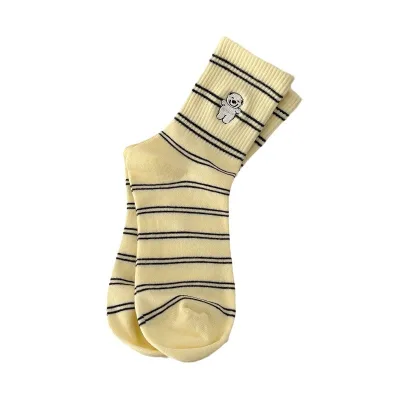


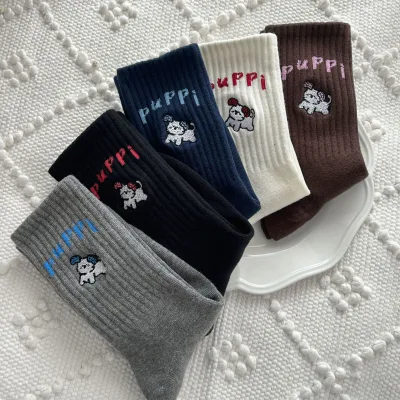
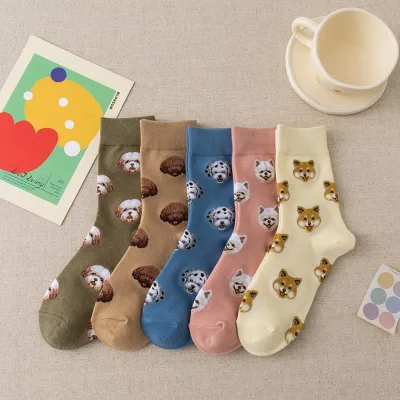
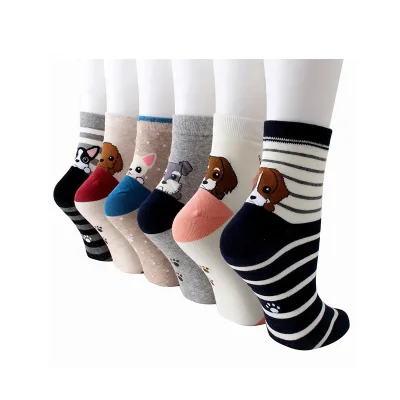
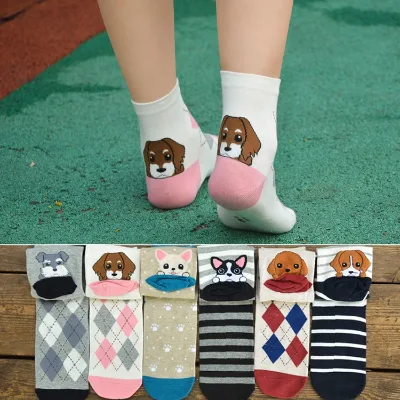
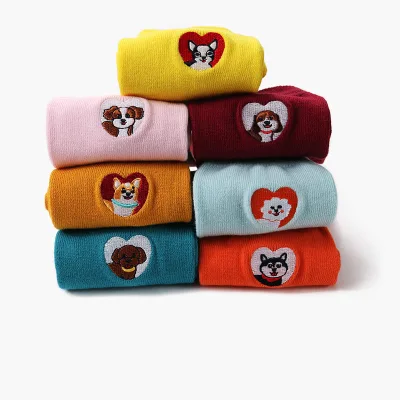
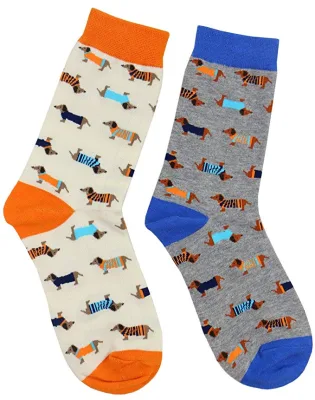
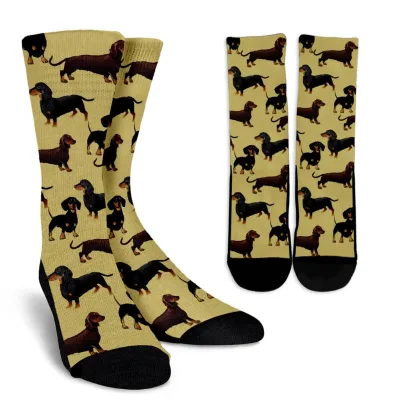
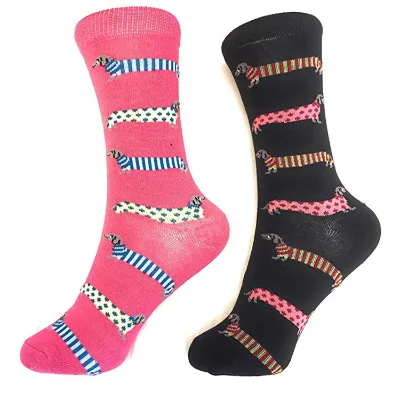
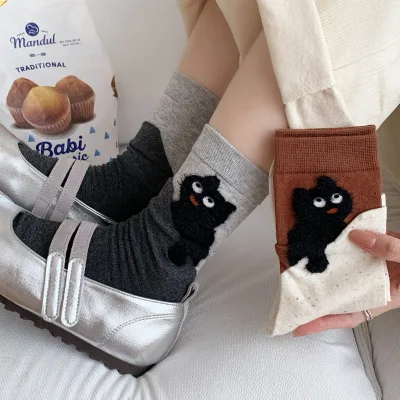
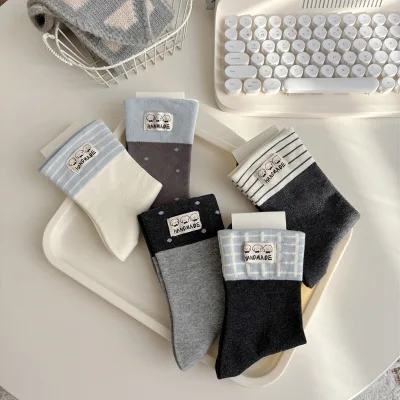


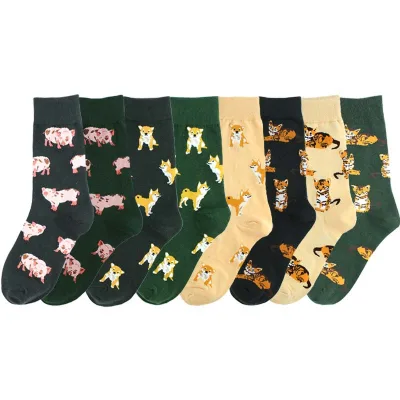
Comprehensive Sourcing Guide
Daily Wear Dog Embroidery Socks Sourcing Guide
Sourcing daily wear dog embroidery socks requires a careful balance between aesthetic appeal, material comfort, and commercial viability. These products are primarily designed for adult consumers seeking casual, everyday footwear that combines functionality with playful design elements. The core appeal lies in the combination of breathable cotton blends and distinctive visual features, such as animal-themed patterns or specific embroidery motifs like dogs. Buyers must navigate a market where customization options, from logo placement to packaging, are standard, allowing for brand differentiation in a crowded retail landscape. Understanding the technical specifications and supply chain dynamics is essential for ensuring that the final product meets both quality expectations and cost targets.
The procurement process for these socks involves verifying a range of attributes that directly impact user satisfaction and operational efficiency. Key factors include foot length specifications, elasticity, and thickness, which determine the fit and durability of the product. Additionally, the availability of customization services, such as ODM and OEM support, allows buyers to tailor products to specific market segments. However, the presence of varying specifications across different listings, such as differences in origin locations or model numbers, necessitates a rigorous verification process. This guide provides a structured approach to evaluating suppliers, ensuring that buyers can make informed decisions based on verified data rather than assumptions.
Product Scope and Observed Listing Signals
The observed market for daily wear dog embroidery socks reveals a diverse range of product variations, with prices typically falling between $0.30 and $3.55 USD. This wide price range reflects differences in material quality, customization complexity, and order quantities. Minimum order quantities (MOQs) vary significantly, ranging from as low as one unit for sampling purposes to 1,000 units for bulk production. Buyers should note that these figures are observed signals and may fluctuate based on supplier capacity and current inventory levels. Understanding these ranges helps in setting realistic budget expectations and planning for initial inventory purchases.
Product listings indicate a strong emphasis on customization and variety, with options for customized logos, sizes, and packaging. The primary materials cited are cotton and cotton blends, which are preferred for their breathability and comfort in daily wear applications. Some listings highlight specific features such as anti-bacterial properties, snagging resistance, and sweat-absorbent capabilities, which add value for consumers. Additionally, the presence of animal-themed patterns, including dog motifs, suggests a target audience that appreciates playful and unique designs. Buyers should verify these attributes directly with suppliers, as not all listed products may satisfy every claimed feature.
Technical Specifications to Verify
Foot length and size specifications are critical for ensuring a proper fit, with observed ranges typically spanning from 22-24 cm to 24-26 cm. Some listings offer customized sizes, while others provide one-size-fits-all options, which may not accommodate all foot shapes effectively. Buyers must confirm the exact foot length requirements for their target demographic to avoid returns or customer dissatisfaction. Additionally, the elasticity of the socks is noted as high, which generally ensures a secure fit, but this should be verified through physical samples. Understanding the relationship between foot length, size, and elasticity is essential for selecting the right product variants.
Model numbers and technical details vary across suppliers, with examples including SA-2602C, D, SA-2607A, B, and WW18859. These identifiers help in tracking specific product lines and ensuring consistency in future orders. Thickness is another key specification, with options ranging from standard to thickening, catering to different seasonal needs such as autumn or winter wear. Buyers should request detailed specification sheets for each model to understand the exact dimensions, material composition, and construction techniques. Verifying these technical details early in the sourcing process helps in aligning product offerings with market demands.
Compliance and Safety Documentation
Safety and compliance are paramount in the textile industry, particularly for products worn directly against the skin. Needle detection is a critical quality control measure, with some suppliers explicitly stating that they perform needle detection checks to ensure no metal fragments remain in the finished product. Buyers should verify the frequency and thoroughness of these checks, as well as the availability of test reports or certificates confirming compliance. This step is essential for mitigating risks associated with product safety and ensuring that the socks meet international safety standards.
While specific standards such as ASTM E96 are mentioned in some contexts, buyers should not assume that all suppliers adhere to these or other specific certifications without verification. It is crucial to request documentation that confirms compliance with relevant safety and quality standards for the target market. Additionally, features such as eco-friendly materials and anti-foul properties may require third-party verification to ensure they are not merely marketing claims. Buyers should prioritize suppliers who provide transparent and verifiable compliance documentation to protect their brand reputation and ensure consumer safety.
Cost Drivers and Commercial Terms
The cost of daily wear dog embroidery socks is influenced by several factors, including material quality, customization complexity, and order volume. Cotton blends and specific embroidery techniques, such as dog motifs, can increase production costs compared to standard plain socks. Buyers should analyze the cost breakdown to understand how different features impact the final price. Additionally, the availability of in-stock items versus made-to-order products can affect lead times and pricing, with in-stock items potentially offering faster delivery but limited customization options.
Commercial terms, such as sample order lead times and packaging options, also play a significant role in the overall procurement strategy. Some suppliers offer a 7-day sample order lead time, which is beneficial for quick product evaluation and market testing. Customized packaging is another common feature, allowing buyers to enhance brand visibility and product presentation. Buyers should negotiate clear terms regarding pricing, payment methods, and delivery schedules to avoid unexpected costs or delays. Understanding these commercial dynamics helps in building a sustainable and efficient supply chain.
Supplier Qualification and Quality Control
Supplier qualification is a critical step in ensuring the reliability and consistency of daily wear dog embroidery socks. Buyers should assess suppliers based on their production capabilities, quality control processes, and customer service responsiveness. The presence of ODM and OEM services indicates that suppliers are equipped to handle customized orders, but buyers must verify their ability to maintain quality standards across different product lines. Additionally, the origin of the products, such as Guangdong or Zhejiang in China, can provide insights into the supplier's manufacturing expertise and logistical advantages.
Quality control measures, such as needle detection and material testing, are essential for maintaining product integrity. Buyers should request samples to evaluate the physical quality of the socks, including the durability of the embroidery, the comfort of the material, and the accuracy of the size specifications. Establishing a clear quality assurance protocol with the supplier, including regular inspections and feedback loops, helps in identifying and addressing issues early in the production process. This proactive approach ensures that the final products meet the expected standards and reduces the risk of defects or customer complaints.
Long-Term Procurement Checks
Long-term procurement success depends on continuous monitoring and evaluation of supplier performance and product quality. Buyers should establish key performance indicators (KPIs) to track metrics such as delivery times, defect rates, and customer satisfaction. Regular communication with suppliers helps in addressing any emerging issues and fostering a collaborative relationship. Additionally, staying informed about market trends and consumer preferences allows buyers to adapt their product offerings and maintain competitiveness.
As the market for daily wear dog embroidery socks evolves, buyers should remain vigilant about changes in regulations, material availability, and technological advancements. Periodic reviews of supplier contracts and quality standards ensure that they remain aligned with business objectives and consumer expectations. By maintaining a proactive and disciplined approach to procurement, buyers can build a resilient supply chain that supports long-term growth and success in the competitive sock market.
FAQs
What materials are used for these socks?
The socks are primarily made of cotton or cotton blends. Some listings specify cotton as the main material, while others indicate cotton blends are used to ensure durability and comfort for daily wear.
Can I customize the logo on the socks?
Yes, customized logos are available for these products. Buyers can request specific logo placements, such as on the cuff, and suppliers offer ODM and OEM services to accommodate custom branding requirements.
What is the typical lead time for sample orders?
Sample orders can be supported with a lead time of 7 days. This allows buyers to quickly evaluate product quality and design before committing to larger bulk orders for their specific needs.
Which sizes are available for these socks?
Sizes vary from one size fits all to customized options. Specific foot lengths range from 22 to 26 centimeters, and some models offer standard sizing while others allow for fully customized dimensions.
Are these socks suitable for winter use?
Yes, certain models are designed for winter seasons with thickening features. These socks provide extra warmth while maintaining breathability, making them ideal for cold weather daily wear and indoor activities.
What features do these socks offer for daily use?
These socks feature anti-bacterial, sweat-absorbent, and snagging resistance properties. They are designed for daily use, sports, and walking, ensuring comfort and hygiene during extended wear in various environments.